Skip to content
NOMVEX · Technical skills · VB-EX-4780

Forearm Pass Platform Stability · Sensor Lights

Maintaining a low body center of gravity

This is a progression constraint of an existing setup, not a separate exercise with a new photo.

Your exercise in three steps

Forearm Pass Platform Stability · Maintaining a low body center of gravity
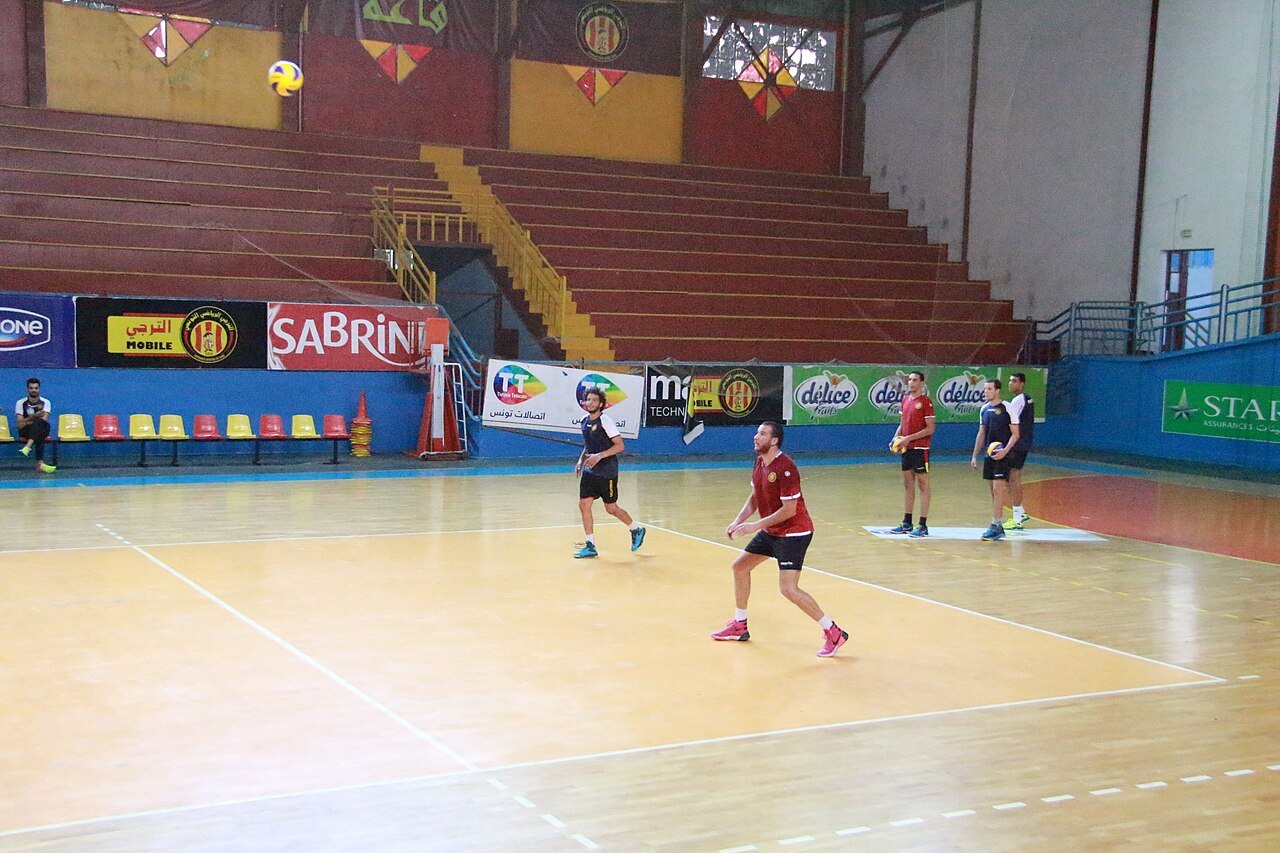
Original volleyball-practice photograph illustrating related training context for Forearm Pass Platform Stability. The prescribed Sensor Lights equipment is not necessarily shown.
Original volleyball-practice photograph illustrating related training context for Forearm Pass Platform Stability. The prescribed Sensor Lights equipment is not necessarily shown.Context photo: exact correspondence with this movement still needs review. Follow the drill instructions. · Sami Mlouhi · CC BY-SA 4.0

Context photo; the steps describe this exercise.

Forearm Pass Platform Stability · Maintaining a low body center of gravity — PREPARATIONTarget at setter window; feeders serve from variable depth. Position lights as readable cues; never force a collision-prone sprint.1PREPARATIONTarget at setter window; feeders servefrom variable depth. Position lights asreadable cues; never force acollision-prone sprint.Forearm Pass Platform Stability · Maintaining a low body center of gravity — EXECUTIONRead the server and take the first step before locking the platform. Stabilize both feet at contact; keep arms as a consistent platform. Redirect with body angle toward setter, without swinging arms. Keep hips mobile and lower only as much as needed without collapsing the back.2EXECUTIONRead the server and take the first stepbefore locking the platform. Stabilizeboth feet at contact; keep arms as aconsistent platform. Redirect with bodyangle toward setter, without swingingarms. Keep hips mobile and lower only asmuch as needed without collapsing theback.Forearm Pass Platform Stability · Maintaining a low body center of gravity — CHECKNo jump at reception contact and positive pass into setter window.3CHECKNo jump at reception contact and positivepass into setter window.

Three vector instruction panels for offline use. The reference photograph is not included.

Original volleyball-practice photograph illustrating related training context for Forearm Pass Platform Stability. The prescribed Sensor Lights equipment is not necessarily shown.
Original volleyball-practice photograph illustrating related training context for Forearm Pass Platform Stability. The prescribed Sensor Lights equipment is not necessarily shown.Context photo: exact correspondence with this movement still needs review. Follow the drill instructions. · Sami Mlouhi · CC BY-SA 4.0

Base skill reference, not an exact illustration of this individual progression.

COACH EXECUTION CARD

Practical on-court execution

Starting coaching cues to adapt for player level, squad size and readiness.

01 · Purpose

Technical / tactical target

Move to the serve and send a playable reception to the setter.

02 · Setup

Court and equipment

Target at setter window; feeders serve from variable depth.

Position lights as readable cues; never force a collision-prone sprint.

03 · Execution

Progressive steps

  1. Read the server and take the first step before locking the platform.
  2. Stabilize both feet at contact; keep arms as a consistent platform.
  3. Redirect with body angle toward setter, without swinging arms.
04 · Applied progression

Maintaining a low body center of gravity

Keep hips mobile and lower only as much as needed without collapsing the back.

No separately verified photograph exists for this constraint. See the parent setup reference image.

Suggested dose

5 sets × 8 receptions graded for accuracy.

Success criterion

No jump at reception contact and positive pass into setter window.

Safety and adaptation

Slow feed speed if a player loses foot control or platform alignment.

Nomvex Volleyball