Skip to content
NOMVEX CONDITIONING · ROPE

Jump rope

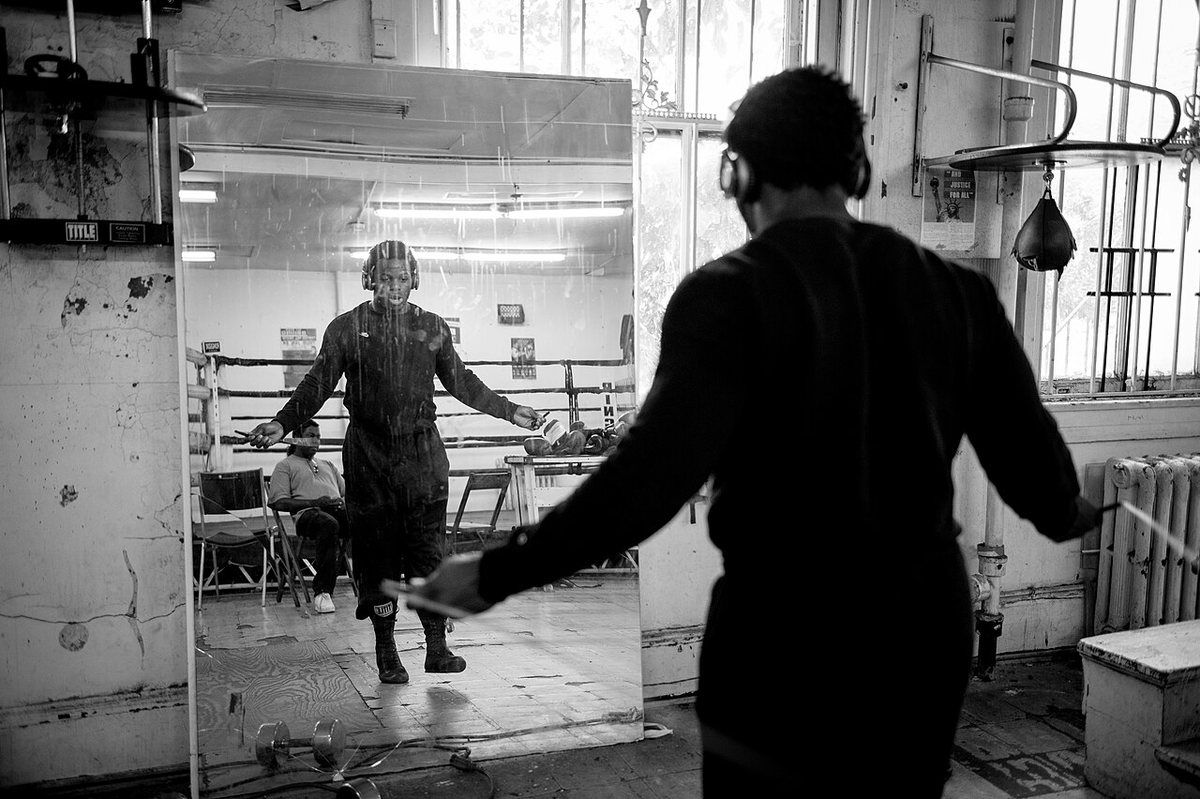
Use small rhythmic jumps, soft contacts and a pace appropriate to calf readiness.

One authentic reference photo of the base movement plus three progressively harder session protocols. All levels reuse the same movement photograph — no fake independent actions or image claims.

Your exercise in three steps

Jump rope

Jump rope
Jump rope — PREPARATIONSkipping rope1PREPARATIONSkipping ropeJump rope — EXECUTIONUse small rhythmic jumps, soft contacts and a pace appropriate to calf readiness.2EXECUTIONUse small rhythmic jumps, soft contactsand a pace appropriate to calf readiness.Jump rope — CHECKConsistent coordination with quiet contacts and stable posture.3CHECKConsistent coordination with quietcontacts and stable posture.

Three vector instruction panels for offline use. The reference photograph is not included.

Jump rope
Authentic source photo of the base movement, shown uncropped. · U.S. Department of Defense Current Photos · Public domain
COACH EXECUTION CARD

Jump rope

Equipment shown or used: Skipping rope

Age: All ages from U13 (U13: youth dose, 2 sets max)

Exercise setup and mechanics:

Use small rhythmic jumps, soft contacts and a pace appropriate to calf readiness.

Conditioning relevance to volleyball:

Supporting general physical capacity relevant to volleyball. Coaching, dosage and exercise selection must be individualized.

Physical conditioning supports an athlete’s capacity. It is not a disguised serve receive, attack, defense or blocking skill.

TRAINING PROGRESSION · 3 LEVELS

Progressive practice without inflating exercise numbers

Move up only when execution meets the quality checks. Real readiness and technique matter more than a nominal age category.

01 · Technique foundation

Learn movement control

Suggested starting dose

2 sets × 15–20 seconds of easy rhythm

Rest

45–60 seconds between bouts

Coaching cue

Use small rhythmic jumps, soft contacts and a pace appropriate to calf readiness.

Quality gate

Consistent coordination with quiet contacts and stable posture.

02 · Strength / capacity development

Build repeatable capacity

Suggested starting dose

3 sets × 20–30 seconds with precise foot placements

Rest

60 seconds between bouts

Coaching cue

Use small rhythmic jumps, soft contacts and a pace appropriate to calf readiness.

Quality gate

Consistent coordination with quiet contacts and stable posture.

03 · Sport-specific workload

Apply controlled sport intensity

Suggested starting dose

3–4 sets × 20–30 seconds with changing pace but no stumbles

Rest

90 seconds between bouts

Coaching cue

Use small rhythmic jumps, soft contacts and a pace appropriate to calf readiness.

Quality gate

Consistent coordination with quiet contacts and stable posture.

SAFETY & INDIVIDUALIZATION

Quality first, not maximum load

Allow enough calf and ankle recovery. Rhythm drills are not a substitute for true high-load strength sessions.

Doses are coaching examples, not individual prescriptions. Adapt for readiness, fatigue, injuries and any relevant medical advice.

Nomvex Volleyball