Skip to content
NOMVEX CONDITIONING · BALL-PLANK-FEET

Stability-ball plank with feet raised

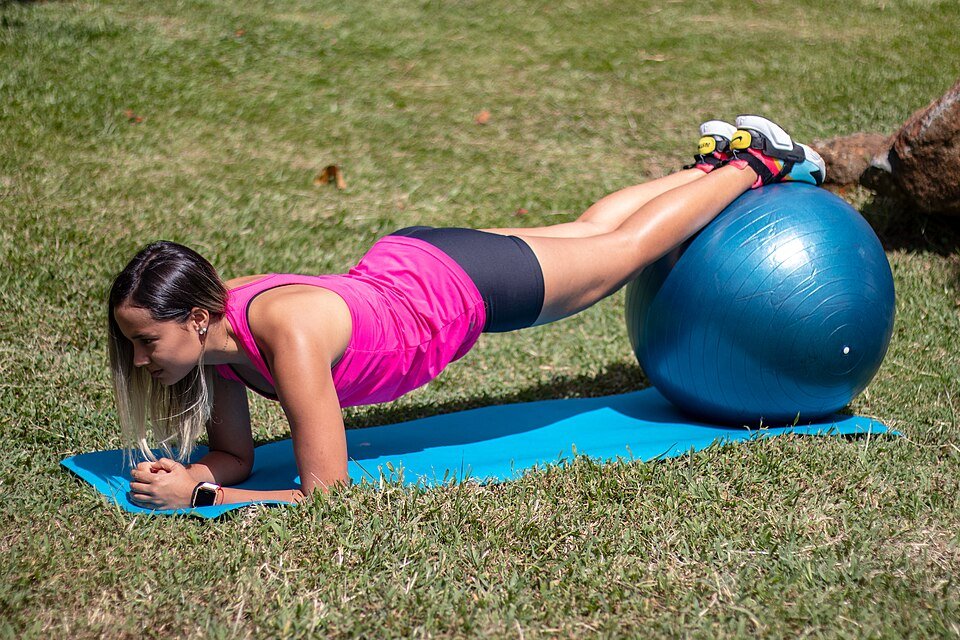
Set feet on the ball and keep shoulders stacked and spine neutral; reduce duration if unstable.

One authentic reference photo of the base movement plus three progressively harder session protocols. All levels reuse the same movement photograph — no fake independent actions or image claims.

Your exercise in three steps

Stability-ball plank with feet raised

Stability-ball plank with feet raised
Stability-ball plank with feet raised — PREPARATIONStability ball1PREPARATIONStability ballStability-ball plank with feet raised — EXECUTIONSet feet on the ball and keep shoulders stacked and spine neutral; reduce duration if unstable.2EXECUTIONSet feet on the ball and keep shouldersstacked and spine neutral; reduce durationif unstable.Stability-ball plank with feet raised — CHECKMaintain a stable pelvis and neutral trunk while breathing.3CHECKMaintain a stable pelvis and neutral trunkwhile breathing.

Three vector instruction panels for offline use. The reference photograph is not included.

Stability-ball plank with feet raised
Authentic source photo of the base movement, shown uncropped. · PTPioneer · CC BY 2.0
COACH EXECUTION CARD

Stability-ball plank with feet raised

Equipment shown or used: Stability ball

Age: From U15 (light load, technique first); not in U13 plans

Exercise setup and mechanics:

Set feet on the ball and keep shoulders stacked and spine neutral; reduce duration if unstable.

Conditioning relevance to volleyball:

Posterior-chain and shoulder stability under unstable support.

Physical conditioning supports an athlete’s capacity. It is not a disguised serve receive, attack, defense or blocking skill.

TRAINING PROGRESSION · 3 LEVELS

Progressive practice without inflating exercise numbers

Move up only when execution meets the quality checks. Real readiness and technique matter more than a nominal age category.

01 · Technique foundation

Learn movement control

Suggested starting dose

2 sets × 15–25 seconds of good form, or 6 controlled moves

Rest

30–60 seconds between sets

Coaching cue

Set feet on the ball and keep shoulders stacked and spine neutral; reduce duration if unstable.

Quality gate

Maintain a stable pelvis and neutral trunk while breathing.

02 · Strength / capacity development

Build repeatable capacity

Suggested starting dose

3 sets × 20–35 seconds or 8 controlled moves

Rest

45–75 seconds between sets

Coaching cue

Set feet on the ball and keep shoulders stacked and spine neutral; reduce duration if unstable.

Quality gate

Maintain a stable pelvis and neutral trunk while breathing.

03 · Sport-specific workload

Apply controlled sport intensity

Suggested starting dose

3 sets × 30–45 seconds, add challenge without spinal collapse

Rest

60–90 seconds between sets

Coaching cue

Set feet on the ball and keep shoulders stacked and spine neutral; reduce duration if unstable.

Quality gate

Maintain a stable pelvis and neutral trunk while breathing.

SAFETY & INDIVIDUALIZATION

Quality first, not maximum load

Never add instability or loading when basic alignment is not controlled. Avoid painful compression.

Doses are coaching examples, not individual prescriptions. Adapt for readiness, fatigue, injuries and any relevant medical advice.

Nomvex Volleyball