Skip to content
NOMVEX COACH / Serving / NX-SERVING-06-08

Jump float from zone 1 — Serve-to-receive feedback

Approach from the right end-line position and contact without spin.

Applied training constraint: Serve against live passers; score both serve disruption and reception quality.

Family mode: use a safe space, reduce intensity and consult a coach to scale technical movements to the child’s age.

Your exercise in three steps

Jump float from zone 1 — Serve-to-receive feedback

Jump float from zone 1 — Serve-to-receive feedbackCOURT SETUP · GUIDANCESERVING123456123456SVJump float from zone 1Movement and ball path are schematic only
Illustrative first movement and target, not a verified match rotation or exact simulation of the chosen drill condition. Use the written steps to adapt setup, timing and player safety.
Jump float from zone 1 — Serve-to-receive feedback — PREPARATIONApproach from the right end-line position and contact without spin.1PREPARATIONApproach from the right end-line positionand contact without spin.Jump float from zone 1 — Serve-to-receive feedback — EXECUTIONServe against live passers; score both serve disruption and reception quality. Time the toss and jump without crossing the line before contact.2EXECUTIONServe against live passers; score bothserve disruption and reception quality.Time the toss and jump without crossingthe line before contact.Jump float from zone 1 — Serve-to-receive feedback — CHECKMeasure side-out prevention rather than raw velocity.3CHECKMeasure side-out prevention rather thanraw velocity.

Three vector instruction panels for offline use. The reference photograph is not included.

Static training layout

Schematic player positions and ball path, not a staged photograph.

Jump float from zone 1 — Serve-to-receive feedbackCOURT SETUP · GUIDANCESERVING123456123456SVJump float from zone 1Movement and ball path are schematic only
Illustrative first movement and target, not a verified match rotation or exact simulation of the chosen drill condition. Use the written steps to adapt setup, timing and player safety.

Action reference photograph

Authentic credited technique-family reference; never presented as the exact custom drill.
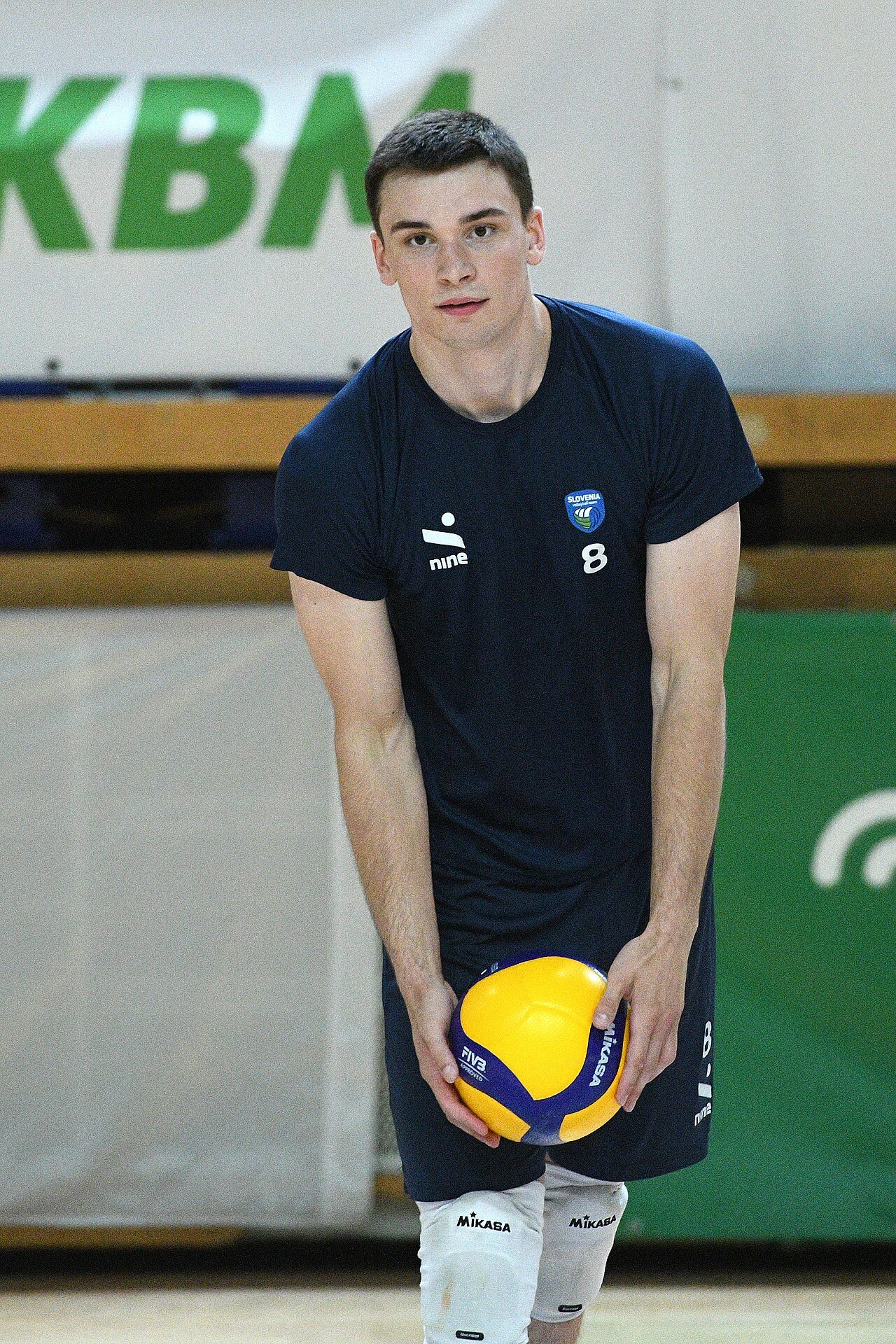
Volleyball athlete preparing a service with the ball held in front
Real action or practice-context photograph · Category reference only, not proof of an exact drill setup, its equipment or a player position. · Odbojkarska zveza Slovenije from Slovenia · Public domain
01 · Technical focus

Jump float from zone 1

Time the toss and jump without crossing the line before contact.

02 · Setup and equipment

Approach from the right end-line position and contact without spin.

Equipment: Volleyballs, Net, Target mats

Starting zone: 1

03 · On-court execution
  1. Approach from the right end-line position and contact without spin.
  2. Serve against live passers; score both serve disruption and reception quality.
  3. Time the toss and jump without crossing the line before contact.
  4. Log each repetition according to this measure: Measure side-out prevention rather than raw velocity.
04 · Suggested training dose

18 minutes

10 balls in the starting series, with rest adjusted to quality and player level.

05 · Measured success criterion

Measure side-out prevention rather than raw velocity.

Record attempts, success and errors; do not infer progress from volume alone.

06 · Safety and adaptation

Warm up the shoulder and manage hit volume; consistency takes priority over speed.

COURTSIDE TRAINING FEEDBACK

Measure learning, not just count drills

Target: Measure side-out prevention rather than raw velocity.

Suggested starting set: 10 repetitions; adjust for level and safety.

0

Attempts

0

Target hits

0

Playable

0%

Target success rate

Saved only in this browser on this device. Account synchronization is not active yet.

Next drill condition for this movement

Each protocol identifies the core movement and the changed practice constraint.

Next scenario →
Nomvex Volleyball