Skip to content
NOMVEX · Warm-up · VB-EX-1009

Ankle & Knee Elasticity · Tennis Balls

From stationary position

This is a progression constraint of an existing setup, not a separate exercise with a new photo.

Your exercise in three steps

Ankle & Knee Elasticity · From stationary position
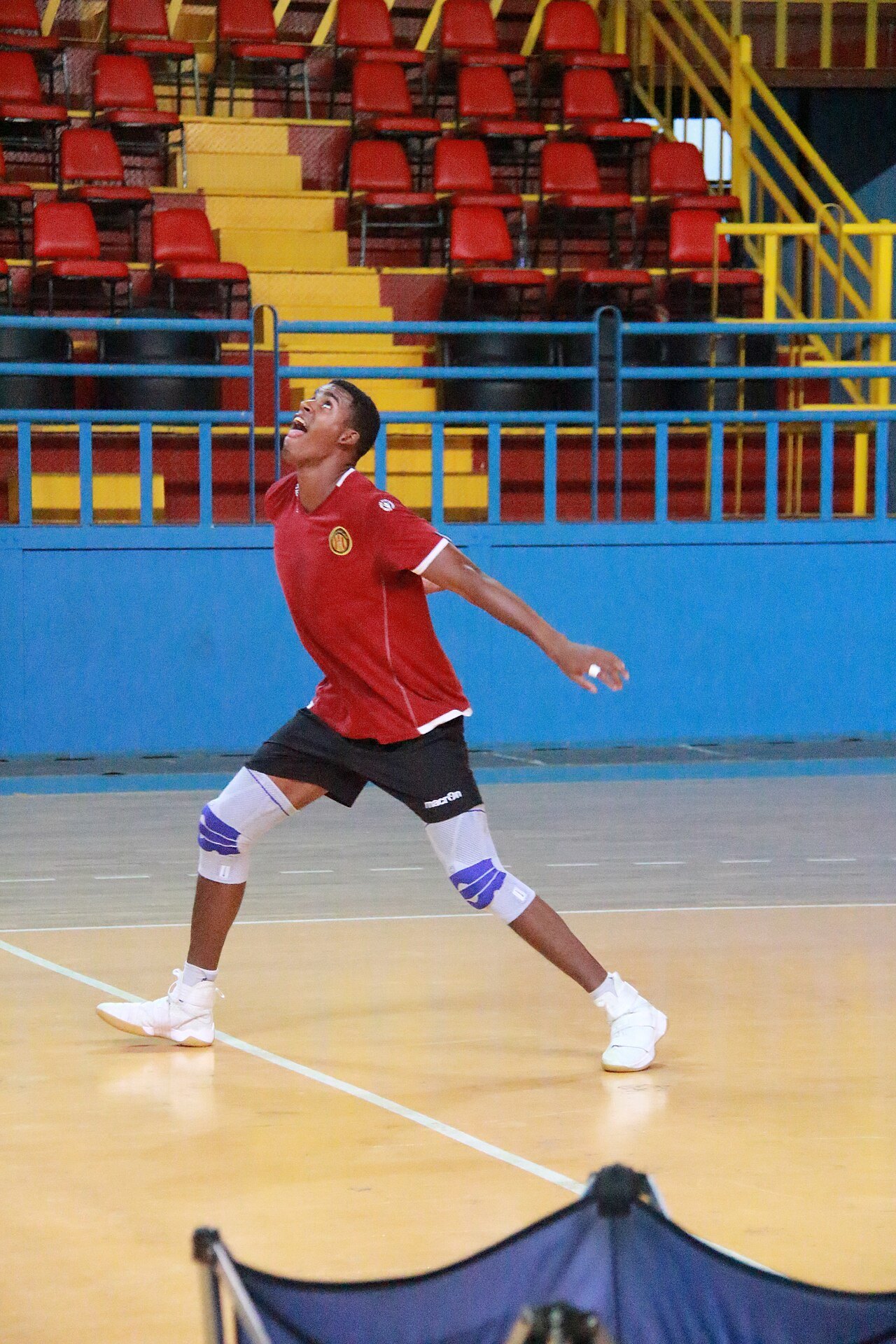
Original volleyball-practice photograph illustrating related training context for Ankle & Knee Elasticity. The prescribed Tennis Balls equipment is not necessarily shown.
Original volleyball-practice photograph illustrating related training context for Ankle & Knee Elasticity. The prescribed Tennis Balls equipment is not necessarily shown.Context photo: exact correspondence with this movement still needs review. Follow the drill instructions. · Sami Mlouhi · CC BY-SA 4.0

Context photo; the steps describe this exercise.

Ankle & Knee Elasticity · From stationary position — PREPARATIONMark a flat non-slip lane; start without obstacles. Use hand-eye reaction feeds below head level first.1PREPARATIONMark a flat non-slip lane; start withoutobstacles. Use hand-eye reaction feedsbelow head level first.Ankle & Knee Elasticity · From stationary position — EXECUTIONRehearse quiet two-foot landing with knees following toes. Perform short low-amplitude ankle pulses with full balance. Add a single controlled lateral displacement and stable stop. Begin without movement. Confirm technique before introducing speed.2EXECUTIONRehearse quiet two-foot landing with kneesfollowing toes. Perform shortlow-amplitude ankle pulses with fullbalance. Add a single controlled lateraldisplacement and stable stop. Beginwithout movement. Confirm technique beforeintroducing speed.Ankle & Knee Elasticity · From stationary position — CHECKAnkles absorb, knees do not collapse inward.3CHECKAnkles absorb, knees do not collapseinward.

Three vector instruction panels for offline use. The reference photograph is not included.

Original volleyball-practice photograph illustrating related training context for Ankle & Knee Elasticity. The prescribed Tennis Balls equipment is not necessarily shown.
Original volleyball-practice photograph illustrating related training context for Ankle & Knee Elasticity. The prescribed Tennis Balls equipment is not necessarily shown.Context photo: exact correspondence with this movement still needs review. Follow the drill instructions. · Sami Mlouhi · CC BY-SA 4.0

Base skill reference, not an exact illustration of this individual progression.

COACH EXECUTION CARD

Practical on-court execution

Starting coaching cues to adapt for player level, squad size and readiness.

01 · Purpose

Technical / tactical target

Prepare lower-leg spring and knee tracking for short contacts.

02 · Setup

Court and equipment

Mark a flat non-slip lane; start without obstacles.

Use hand-eye reaction feeds below head level first.

03 · Execution

Progressive steps

  1. Rehearse quiet two-foot landing with knees following toes.
  2. Perform short low-amplitude ankle pulses with full balance.
  3. Add a single controlled lateral displacement and stable stop.
04 · Applied progression

From stationary position

Begin without movement. Confirm technique before introducing speed.

No separately verified photograph exists for this constraint. See the parent setup reference image.

Suggested dose

2–3 sets × 6–8 contacts with recovery.

Success criterion

Ankles absorb, knees do not collapse inward.

Safety and adaptation

Skip impact progressions when soreness or pain is present.

Nomvex Volleyball